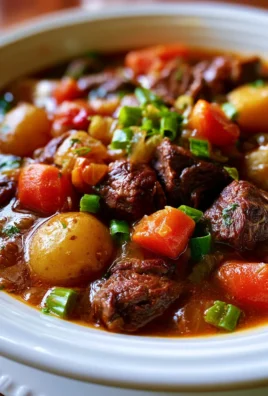
For me, a Beef Stew Recipe is the ultimate comfort food, especially when the weather cools down. This is my go-to dish for tender chunks of beef simmered slowly with root vegetables in a rich, savory gravy. It simply works because the long cooking time transforms inexpensive cuts of beef into incredibly fork-tender bites, while the vegetables absorb all that wonderful flavor. The texture is smooth and velvety, making each spoonful satisfying. Plus, the preparation is straightforward; just some initial chopping and browning, then letting time do its magic. I find this particular beef stew recipe incredibly easy to throw together on a Sunday afternoon. Serve it alongside some warm, crusty bread to soak up every last bit of that delicious sauce.

Why You’ll Love This Recipe
You’ll adore this beef stew for its deep, comforting flavors and incredibly tender beef that practically melts in your mouth. It’s a perfect one-pot meal for a chilly evening, promising warmth and satisfaction with every spoonful, and it only gets better the next day.
Practical Tips and Tricks for Best Results
- Brown the Beef Thoroughly: Don’t rush this step. Browning the beef in batches creates a flavorful crust, which is essential for developing the stew’s rich depth. Those caramelized bits translate into incredible taste.
- Deglaze the Pot: After browning the beef and sautéing your aromatics, use a splash of liquid—broth, wine, or even water—to scrape up any browned bits stuck to the bottom of the pot. This is where a huge amount of flavor resides.
- Low and Slow is Key: For truly tender beef and a fully developed broth, allow the stew to simmer gently for the recommended time. Resist the urge to crank up the heat; patience pays off with melt-in-your-mouth results.
- Cut Vegetables Evenly: Ensure your root vegetables are cut into roughly uniform sizes. This promotes even cooking, preventing some pieces from becoming mushy while others are still firm.
- Layer Your Seasoning: Don’t just season at the beginning. Taste the stew periodically as it simmers and adjust salt, pepper, and herbs as needed. Remember that flavors will concentrate as the liquid reduces.
Common Mistakes to Avoid
- Overcrowding the Pot: When browning the beef, avoid putting too much meat in the pot at once. This steams the beef instead of searing it, preventing that crucial crust from forming. Brown in batches if necessary.
- Not Enough Simmering Time: One of the most common errors is cutting the cooking time short. Tough beef is often a result of insufficient simmering. Allow the stew to cook until the beef is fork-tender.
- Adding Vegetables Too Early: If added at the very beginning, vegetables like carrots and potatoes can become overly soft and mushy. Add them partway through the cooking process to ensure they retain some texture.
- Forgetting to Deglaze: Overlooking the deglazing step means leaving behind significant flavor on the bottom of your pot. Always scrape up those browned bits to incorporate them into your stew.
- Over-Thickening: Be mindful of how much thickener you use. A too-thick stew can be gloopy. Start with a conservative amount and add more if needed, remembering that the stew will thicken slightly as it cools.
Ingredient Substitutions or Variations
- Beef Cuts: While chuck roast is excellent for its marbling and tenderness when slow-cooked, you could also use beef short ribs for an even richer flavor, or even oxtail for a traditional take.
- Vegetables: Feel free to experiment with other root vegetables. Parsnips add a lovely sweetness, celery contributes aromatic depth, and rutabaga or turnip can also be wonderful additions. For a touch of sweetness and vibrant color, sweet potatoes can replace some of the regular potatoes.
- Liquids: Instead of solely beef broth, consider a cup or two of dry red wine (like Cabernet Sauvignon or Merlot) for a richer, more complex broth. Dark beer, such as a stout, also adds a robust, malty flavor.
- Herbs and Spices: Fresh rosemary is a fantastic complement to thyme and bay leaf. A pinch of smoked paprika can add a subtle smoky depth, while a dash of Worcestershire sauce can boost umami flavor.
- Thickeners: If you prefer not to use flour, a cornstarch slurry (equal parts cornstarch and cold water) can be whisked in at the end to thicken the stew to your desired consistency. Tomato paste also contributes to thickening and adds depth.
Serving Suggestions
This hearty beef stew is wonderfully satisfying on its own, but it truly shines when served alongside something that can soak up all that incredible sauce. My favorite accompaniments include crusty artisan bread, creamy mashed potatoes, soft polenta, or even a bed of egg noodles. A simple green salad with a light vinaigrette provides a nice fresh contrast to the richness of the stew.
Storage and Make-Ahead Tips
This beef stew is an ideal make-ahead meal, as the flavors deepen and meld beautifully overnight. Once cooled, transfer the stew to an airtight container and refrigerate for up to 3-4 days. To reheat, gently warm it on the stovetop over medium-low heat, stirring occasionally, or use a microwave. For longer storage, the stew freezes exceptionally well. Portion it into freezer-safe containers or heavy-duty freezer bags and store for up to 3 months. Thaw overnight in the refrigerator before reheating.
`
Final Thoughts:
`
`
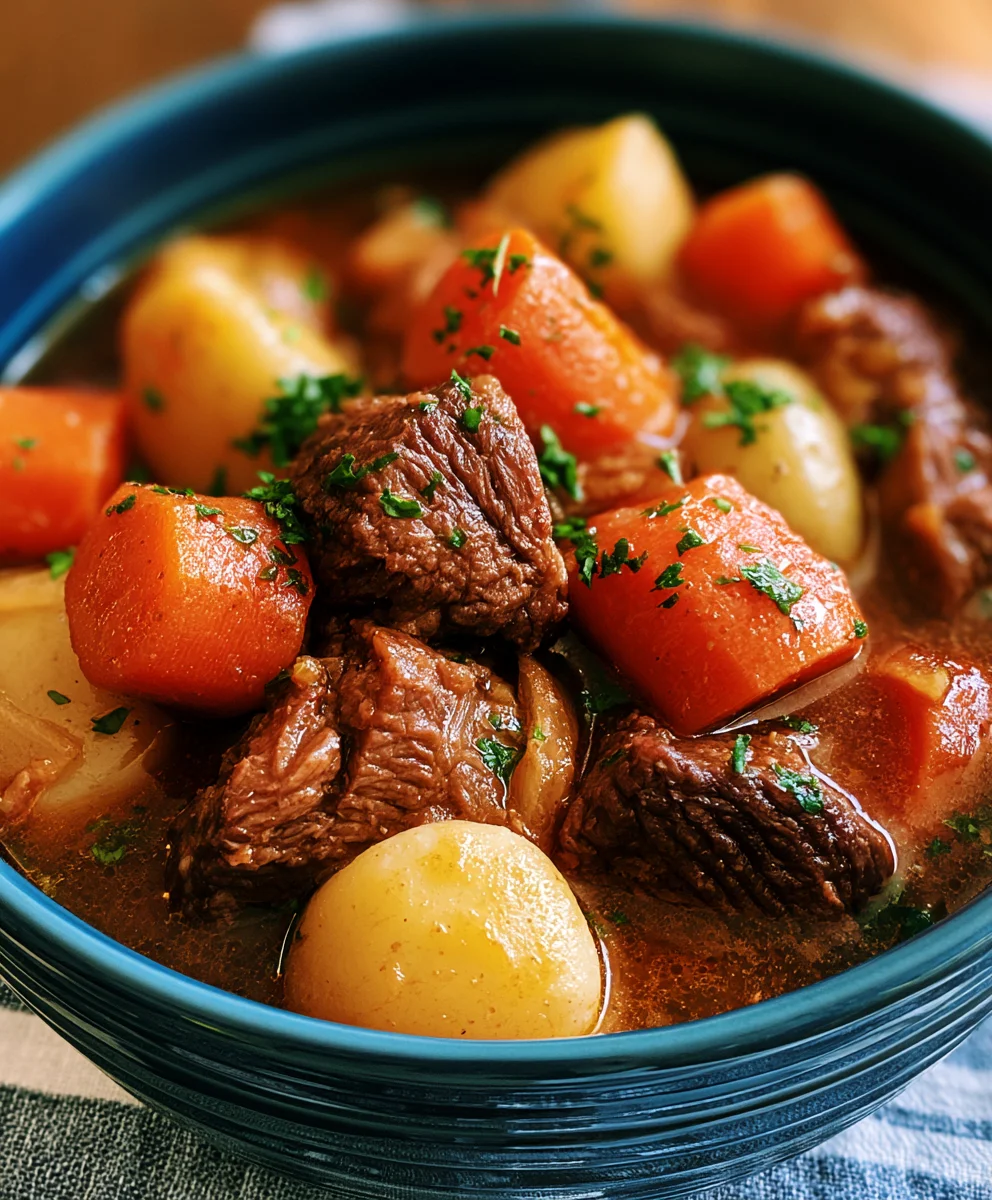
This incredible beef stew recipe truly shines because the slow braising process tenderizes the chuck roast beautifully while allowing the robust flavors of the broth, wine, and root vegetables to meld into a rich, comforting sauce. For maximum enjoyment, consider making it a day ahead; the flavors deepen wonderfully overnight, making leftovers even more delicious. Give it a try, and let me know how it warms your soul!
`
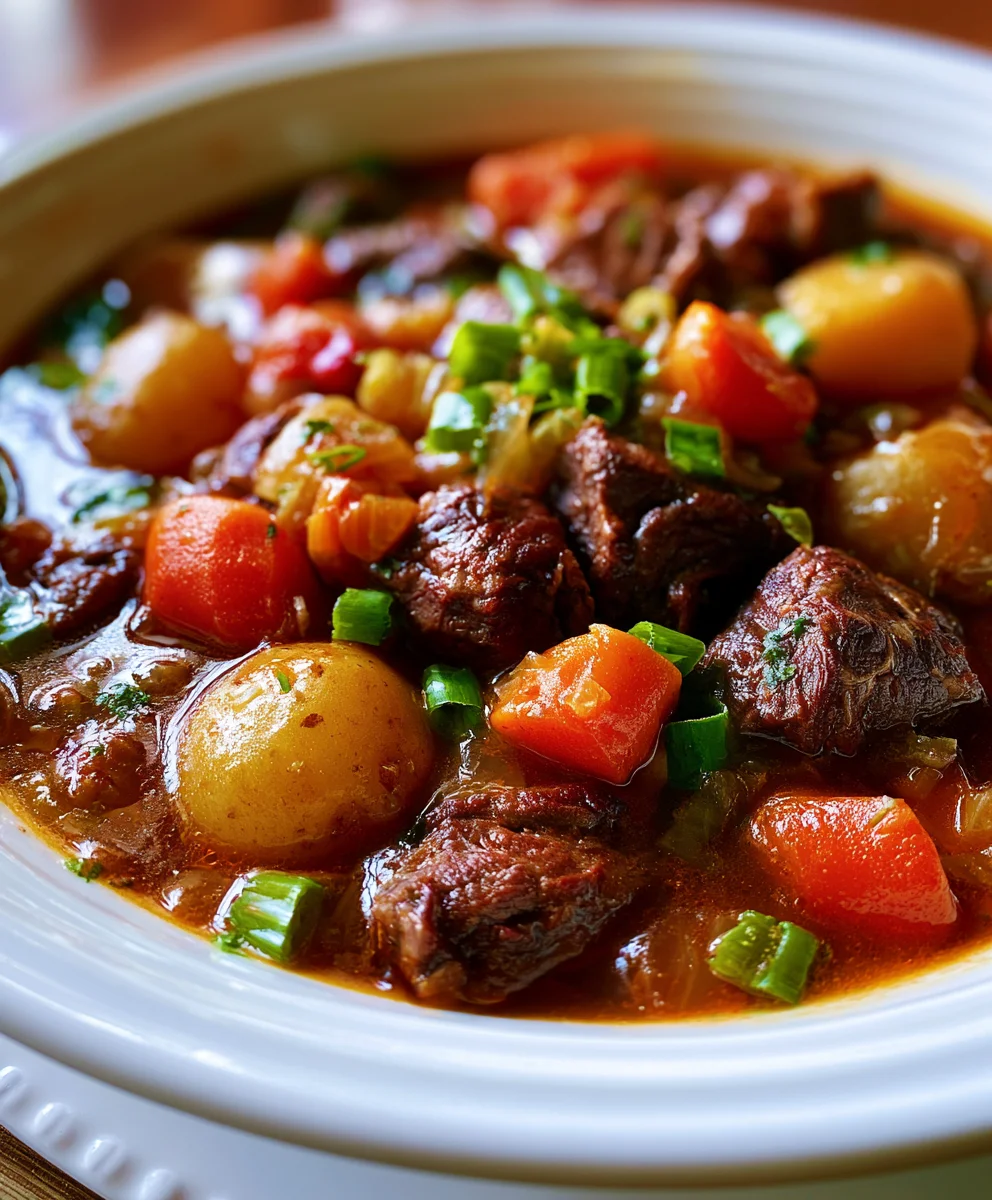
Better Than Takeout Beef Stew Recipe: Simple & Flavorful
The ultimate comfort food for cooler weather, this go-to beef stew recipe features tender chunks of beef simmered slowly with root vegetables in a rich, savory gravy. The long cooking time transforms inexpensive cuts into incredibly fork-tender bites, while the vegetables absorb all that wonderful flavor, resulting in a smooth and velvety texture. It’s easy to prepare on a Sunday afternoon and gets even better the next day.
Ingredients
-
2 lbs beef chuck roast, cut into 1.5-inch cubes
-
2 tbsp olive oil
-
1 large onion, chopped
-
3 cloves garlic, minced
-
2 tbsp all-purpose flour
-
4 cups beef broth
-
1 (6 oz) can tomato paste
-
2 bay leaves
-
1 tsp dried thyme
-
1 tsp salt
-
1/2 tsp black pepper
-
3 medium carrots, 1-inch slices
-
3 medium potatoes, 1.5-inch cubes
Instructions
-
Step 1
Pat beef dry, season with salt and pepper. In a large Dutch oven, heat olive oil over medium-high heat. Brown beef in batches until well-seared on all sides. Remove beef and set aside. -
Step 2
Add chopped onion to the pot and cook until softened, about 5-7 minutes. Stir in minced garlic and tomato paste; cook for 1 minute. -
Step 3
Stir in flour and cook for 1 minute. Slowly whisk in beef broth, scraping up any browned bits from the bottom of the pot. Add bay leaves, dried thyme, and return the browned beef to the pot. -
Step 4
Bring the stew to a simmer, then reduce heat to low, cover, and cook for 1.5 hours. -
Step 5
Add sliced carrots and cubed potatoes to the stew. Continue to simmer, covered, for another 1 to 1.5 hours, or until the beef and vegetables are fork-tender. -
Step 6
Remove bay leaves. Taste and adjust seasoning as needed. Serve hot with your favorite accompaniments.
Important Information
Nutrition Facts (Per Serving)
It is important to consider this information as approximate and not to use it as definitive health advice.
Allergy Information
Please check ingredients for potential allergens and consult a health professional if in doubt.